Wood Veneer — natural, versatile, project-ready

Everything you need to know about natural wood veneer: species, looks, thickness, applications and specifications. We coordinate supply across the species most in demand by furniture and interior manufacturers.

Fundamentals

What is wood veneer?

Wood veneer is a thin slice of natural hardwood, typically between 0.4 mm and 2.0 mm in thickness, produced by slicing or peeling a log. It is used as a decorative surface layer on substrate materials such as MDF, plywood, particleboard and other core boards.

Veneer preserves the genuine grain, colour and texture of the wood species — every sheet is unique, carrying the natural character of the tree it came from. Compared to solid wood, veneer uses far less raw material while delivering the same visual impact.

For manufacturers, veneer offers consistent workability, reduced material cost, and the ability to cover large surface areas with authentic wood appearance.
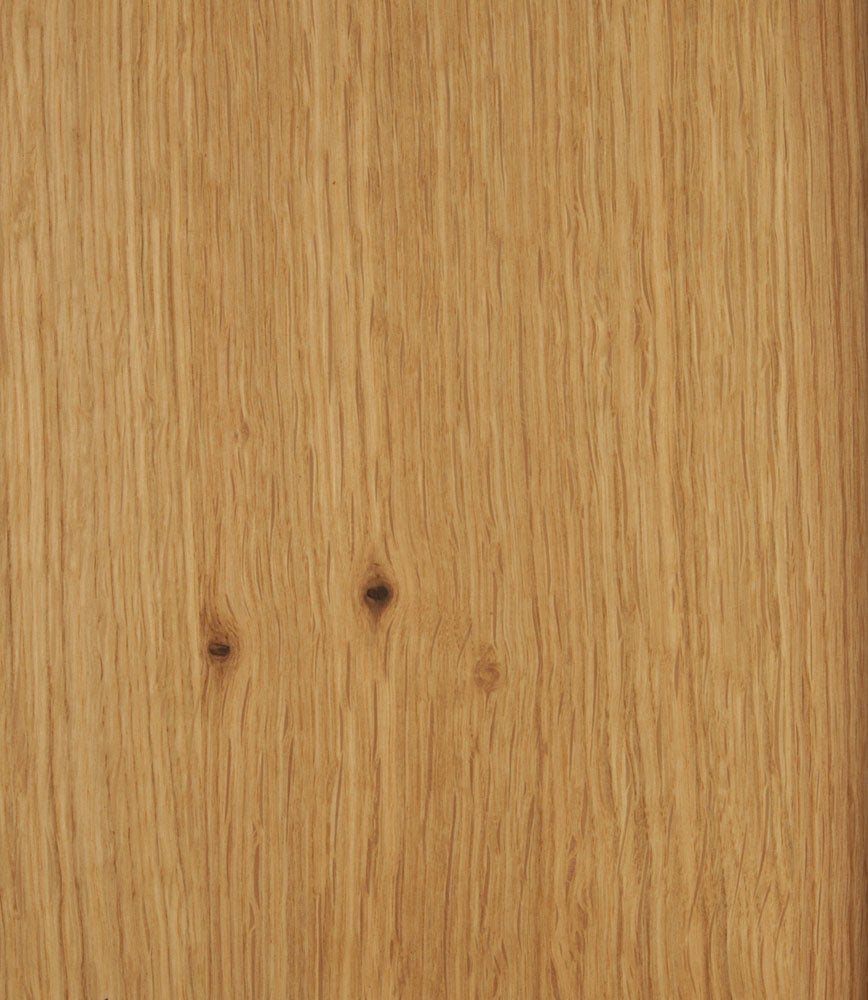
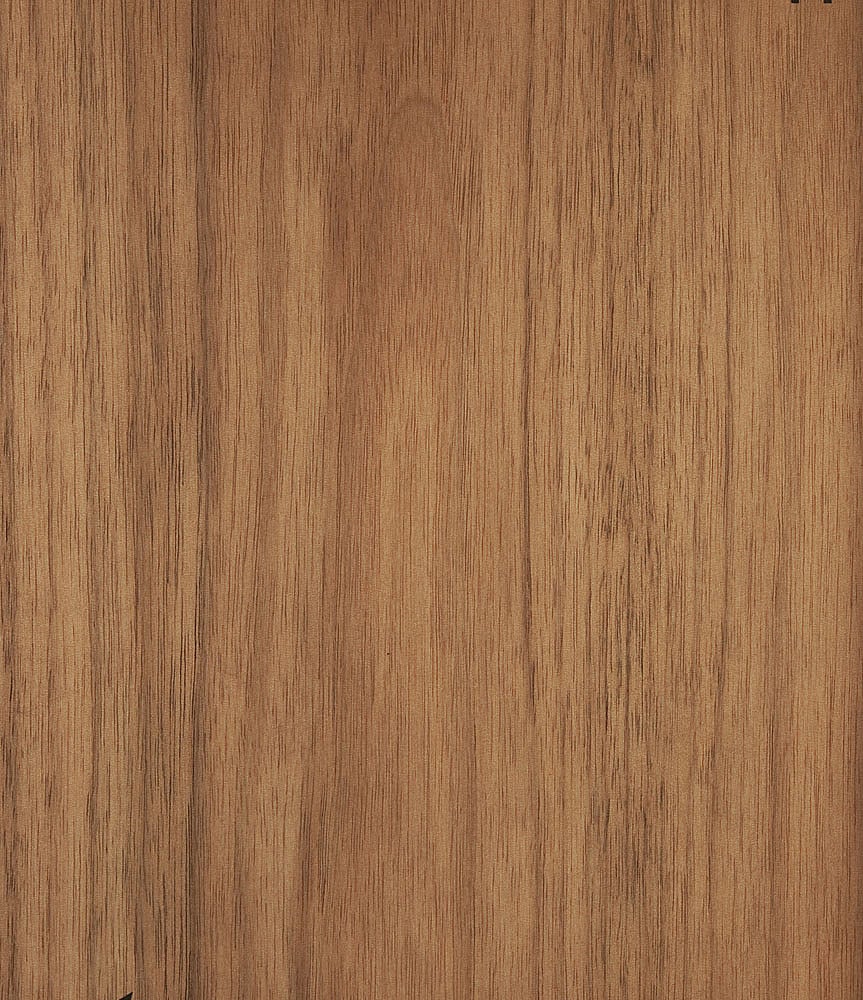
Natural oak wood veneer sheet showing grain pattern
Veneer Categories

Understanding natural veneer classifications

Natural veneer is classified by cutting method, grade and appearance. Understanding these categories helps you select the right material for your application.

Slicing Methods

Flat cut produces cathedral-style grain patterns — the most popular look for furniture. Quarter cut yields straight, uniform grain ideal for modern interiors. Rotary cut maximises yield with a broad, variegated pattern.

Grade Selection

Veneer is graded by appearance: premium (minimal defects, consistent colour), standard (natural variation, minor characteristics) and utility (suitable for painted or stained finishes where grain is less critical).

Matching & Layout

Multiple veneer leaves can be assembled in patterns: book match (mirror image), slip match (sequential), random match (casual). The choice affects the visual rhythm of the finished panel surface.

Technical Reference

Thickness & application guide

Different applications call for different veneer thicknesses. Here is a general guide to help you determine the right specification for your production needs.

Thickness Range Common Name Typical Applications Notes
0.4 – 0.6 mm Thin veneer Panel lamination, profile wrapping Requires careful handling; ideal for MDF/plywood lamination
0.6 – 0.8 mm Standard veneer Furniture surfaces, doors, wall panels Most common thickness; balances workability and durability
0.8 – 1.2 mm Thick veneer High-end furniture, architectural woodwork Allows light sanding and refinishing; premium applications
1.2 – 2.0 mm Heavy veneer Flooring, heavy-use surfaces Can be sanded multiple times; limited species availability
Specifications

Product specification overview

The table below shows typical specifications for our most requested species. Availability and exact dimensions are confirmed per order.

Species Available Thickness Cut Options Main Uses Availability
Walnut 0.5 – 1.2 mm Flat cut, Quarter cut Furniture, doors, wall panels To confirm by grade, thickness and quantity
Oak 0.5 – 1.5 mm Flat cut, Quarter cut, Rotary Furniture, panel lamination, flooring To confirm by grade, thickness and quantity
Eucalyptus 0.4 – 0.8 mm Rotary, Flat cut Panel lamination, MDF facing To confirm by grade, thickness and quantity
Cherry 0.5 – 1.0 mm Flat cut, Quarter cut Furniture, decorative interiors To confirm by grade, thickness and quantity
Ash / Sycamore 0.5 – 1.2 mm Flat cut, Quarter cut Furniture, special figure applications To confirm by grade, thickness and quantity

Need veneer specifications for your project?

Tell us your species, thickness and quantity requirements. We will check availability and respond promptly.